Why Waterproof Products Issue in Camping
When you're deep in the wilderness, miles from the closest sanctuary, the climate does not respect your strategies. A sunny morning can turn into a torrential downpour by afternoon, and when that occurs, the difference between an unpleasant, possibly unsafe experience and a comfortable adventure typically boils down to something: whether your equipment is water-proof.
Water-proof products are not a luxury in camping-- they are a necessity. Comprehending why they matter can alter the method you load, prepare, and make it through in the outdoors.
Security Versus the Unforeseeable Outdoors
Nature is gloriously unforeseeable. Even one of the most very carefully prepared outdoor camping journeys can be blindsided by unexpected rain, early morning dew, stream crossings, or sudden temperature level goes down that turn moisture right into a genuine threat. Water-proof materials work as your very first line of defense versus all of it.
A water resistant tent, for example, keeps your resting area completely dry and habitable when rain hammers down with the night. Without it, water seeps via the fabric, saturates your sleeping bag, and leaves you cool, wet, and completely incapable to rest. A damp camper is a tired camper, and fatigue in the wilderness carries genuine risks.
Water resistant jackets and trousers serve a comparable purpose for your body. When your garments gets saturated, it loses its capability to insulate you. Also in moderately amazing temperatures, damp clothing can quickly lower your core body temperature, leading to hypothermia-- a condition that can transform major faster than most people anticipate.
The Scientific Research Behind Waterproof Fabrics
Not all waterproof products are created equivalent, and recognizing the fundamentals aids you make smarter gear options.
Waterproof vs. Water resistant
Waterproof materials decrease water infiltration but will ultimately soak through under continual rain or stress. Water-proof materials, on the other hand, are crafted to obstruct water entirely. The difference matters significantly when you're caught in a three-hour rainstorm versus a light drizzle.
Breathability and Why It Issues
One common mistaken belief is that water-proof means stale and uncomfortable. Modern waterproof materials like Gore-Tex and comparable membrane layers are designed to be breathable, enabling sweat vapor to run away while blocking external wetness from entering. This balance is vital throughout energetic camping activities like hiking and climbing up, where your body creates significant warm and sweat. Without breathability, you would certainly stay dry from the rain however saturate on your own from the inside with caught sweat.
Secret Equipment That Relies on Waterproof Materials
Outdoors tents and Tarps
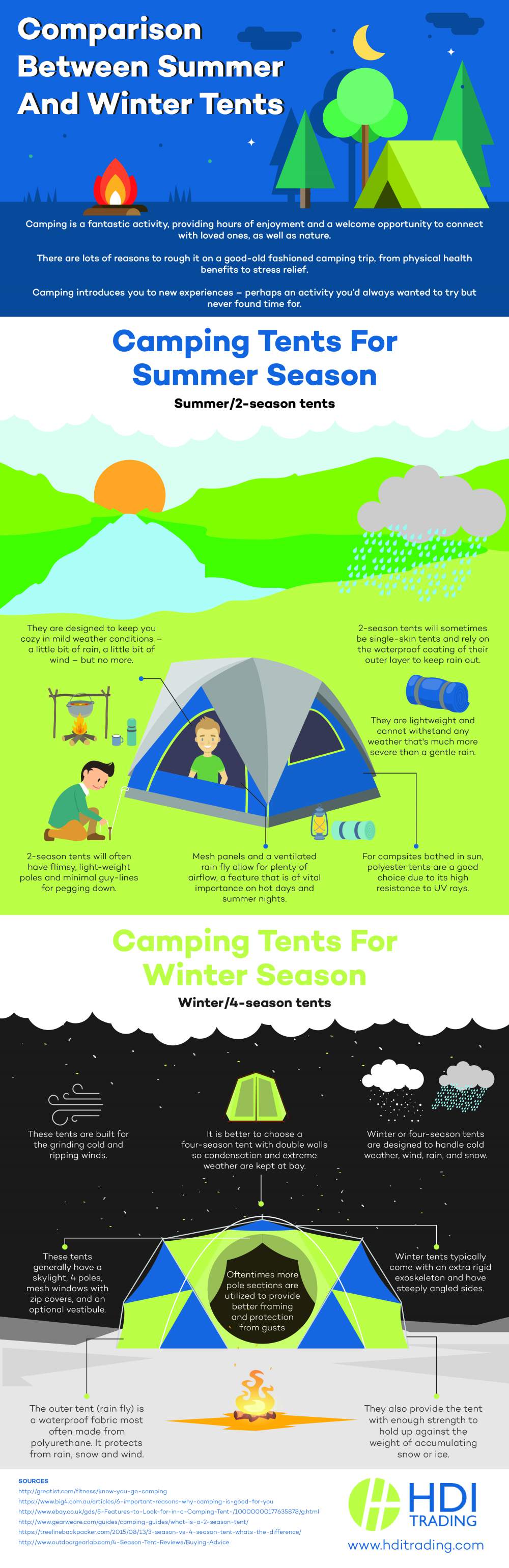
Your camping tent is your home in the wild. A high quality water-proof outdoor tents uses coated materials and sealed joints to stop any kind of water from entering, even under heavy rain. Tarps made from water resistant products include an added layer of convenience, serving as additional shelter, ground covers, or rainfall covers over cooking locations.
Resting Bags and Insulation
A damp resting bag is one of the most dangerous situations a camper can deal with. Down insulation, while unbelievably cozy and light-weight, sheds almost all of its thermal properties when wet. Waterproof stuff sacks and dry bags safeguard your sleeping bag from rain and unintentional water direct exposure, protecting its life-saving warmth throughout your trip.
Backpacks and Dry Bags
Water resistant backpack covers and dry bags keep your essentials-- food, navigation tools, first aid kits, and electronic devices-- shielded also throughout hefty rain or river crossings. Shedding a map or a phone to water damages in a remote location is far more than a trouble; it can be genuinely hazardous.
Footwear
Water resistant boots maintain your feet dry throughout stream crossings, dewy early morning hikes, and muddy route conditions. Damp feet blister rapidly what is a bell tent and are at risk to trench foot during expanded trips. Water resistant membrane layers in high quality treking boots make a dramatic difference in both convenience and foot health over multi-day adventures.
Long-Term Worth and Gear Longevity
Past prompt security and convenience, waterproof materials expand the lifespan of your gear. Dampness is one of the greatest adversaries of outdoor camping equipment, advertising mold and mildew, mildew, rust, and material destruction. Investing in appropriately waterproofed equipment from the start implies you invest much less replacing damaged devices over time.
Several waterproof materials additionally gain from periodic re-treatment with resilient water repellent (DWR) sprays, which freshen their efficiency after repeated use and washing.
Last Ideas
Camping attaches us to the raw, unfiltered world-- and that world includes rainfall, rivers, dew, and every little thing wet that comes with it. Water resistant products do not shield you from the experience of nature; they make it feasible to enjoy that experience safely and conveniently.
Whether you're a weekend break warrior or a skilled backcountry traveler, picking equipment built with high quality water resistant materials is one of the smartest investments you can make before your next trip into the wild. Due to the fact that out there, remaining dry isn't just about convenience-- it has to do with staying safe.Sonnet 4.6